
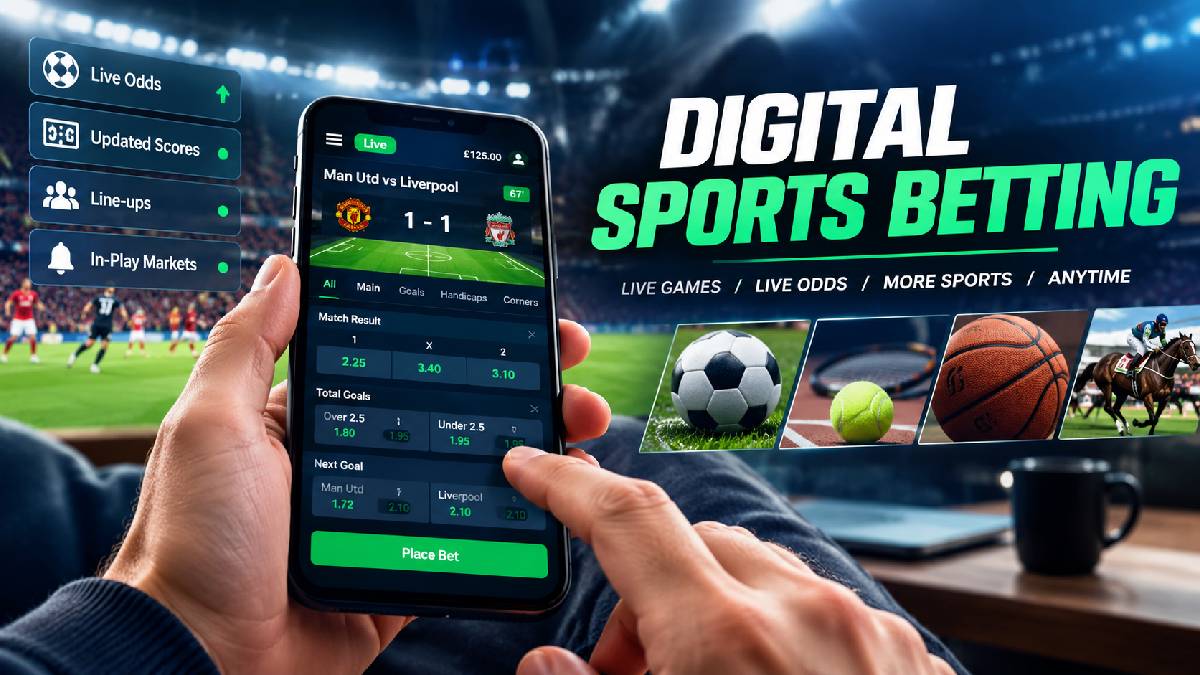
There was a time when sports betting had a lot more dead space in it. You placed something before the match, watched the game, and that was pretty much the arrangement. If the team sheet surprised you, if the favourite started terribly or if another match suddenly looked more interesting, there was not always much you could do about it. The phone killed that version of betting very quickly. Now the match can be ten minutes old before someone even starts thinking about a bet. Betting is now so fluid that you might have opened the app just to check the score, noticed the odds moving, looked at the line-up again and decided to place a spontaneous bet on the 10 last minutes before the half time. A few minutes later you are just checking out the app again just to find another football match, then a tennis result, then back to the first game. Nowadays betting is easy and at your fingertips.
Table of Contents
Betting stopped being something you did before the sport
This is probably the biggest change. For years, betting mostly sat in front of the match. You made the choice, then the sport began. Digital betting pushed the two together until there was hardly any separation left. A red card changes the picture. So does an early goal, an injury, a player having a terrible afternoon or a team that simply looks nothing like the one people expected to see. With live markets sitting there throughout the game, all of that becomes part of the betting rather than something that happens after the important decision has already been made. Football made this particularly obvious because so much can change without the score moving at all. A team can be under pressure for twenty minutes, keep giving the ball away and still be drawing 0-0. Anyone watching can see that the match does not feel level even though the scoreboard says it is. That sort of thing gave digital Betway sports betting a reason to stay open throughout the game.
The betting app quietly became a sports app
People also use betting apps in a way that would have seemed slightly strange before. Sometimes they are not there to place a bet at all. They are checking fixtures, seeing who starts, looking at the score somewhere else or trying to work out what is happening in a match they are not watching. That matters more than it sounds. Once the app becomes one of the places people naturally check during a sports day, betting no longer feels like a separate stop. It sits alongside the football stream, the live-score app and the group chat. Somebody can spend five minutes inside one without actually doing anything, then come back later because the match changed. The old betting shop never really had that role. You went there because you wanted to bet. Nobody walked in every fifteen minutes to see whether a midfielder had been substituted.
Different sports made digital betting even harder to avoid
Football is the obvious example, but the same technology works very differently once you move into other sports. Tennis can turn in a few points. Basketball can look completely different three minutes after you last checked the score. Even in slower games, the information now moves constantly enough that waiting until everything is finished feels unnecessary. And once people got used to that, the old method started to look ancient very quickly. Printed odds, fixed opening hours and one decision before the event began suddenly had to compete with something that was always there and always changing.
It happened so fast that nobody really talks about it anymore
That is probably the clearest sign that digital sports betting won. Live odds are not impressive now. Neither are instant scores, dozens of markets or the ability to jump between sports in a few seconds. People notice them only when they do not work. The biggest change was not that betting moved onto a screen. Almost everything did that eventually. It was that sports betting stopped waiting for the match to begin and started moving with it.